

Empowering Youth, Preventing Delinquency
A Stronger Future for Unaccompanied Minors
The project “FORTIFY: Strengthening Greek Systems for the Protection and Prevention of Delinquency in Unaccompanied Minors” aims to strengthen Greek systems for protecting and preventing delinquency among unaccompanied minors. By utilizing international cooperation with Norway, the project introduces specialized expertise and practices tailored to the needs of unaccompanied minors in Greece. Through this collaboration, expertise is provided on protection and prevention strategies.
The project focuses on creating a protection network by empowering frontline professionals who work with unaccompanied minors. This involves developing delinquency prevention strategies and sharing best practices with expert partners from Norway. It is a pilot program aimed at developing and testing sustainable solutions to support minors, providing a strong foundation for aligning national practices with international standards and guidelines. The successful completion of the program allows for the expansion and application of the strategies on a broader scale, enhancing the protection and inclusion of minors at the national and international levels.
Partnership Scheme
The “FORTIFY” project partnership consists of ZEUXIS NGO, NORCAP, and the General Secretariat for Vulnerable Persons and Institutional Protection of the Ministry of Migration and Asylum. Each partner brings unique expertise and contributes to the overall implementation of the project.
ZEFXIS, with extensive experience in providing support to vulnerable groups, coordinates the project’s actions in Greece, focusing on implementing practices that promote the protection of unaccompanied minors.
NORCAP, with international experience in humanitarian support, offers specialized technical support, bringing valuable experience from international interventions in the field of child protection.
The General Secretariat for Vulnerable Persons and Institutional Protection of the Ministry of Migration and Asylum, ensures the integration of the project’s actions into national policies, focusing on harmonizing the results with legislation and institutional protection.
Necessity & Challenges
The implementation of the project arises from the increasing challenges faced by unaccompanied minors in Greece. Many of them are at risk due to vulnerable living conditions and limited support systems, making them more prone to delinquent behavior. These children face multiple and complex challenges, such as a lack of access to stable education, social isolation, the absence of proper psychological and legal support, and difficulty integrating into safe and stable social settings. These challenges make the development of effective support and prevention mechanisms necessary.
The project’s intervention is critical in creating a protection network that offers stable environments and supports the social integration of minors. Through collaboration with specialized partners, the project aims to address gaps in the existing infrastructure and prevent these children from becoming involved in criminal activities.

Actions & Areas of Intervention
The project includes four main work packages, which address crucial implementation areas and contribute to achieving its objectives:
- Project Management and Progress Monitoring: The first package focuses on managing the project, monitoring its progress, and evaluating results. It ensures the effective implementation of all activities and the achievement of goals in accordance with the timeline and budget.
- Transfer of Expertise through Educational Visits: The second package deals with the transfer of knowledge and experience through educational visits to Norway. During these visits, Greek professionals participate in bilateral discussions bilateral meetings to familiarize themselves with best practices for delinquency prevention and develop support strategies for unaccompanied minors.
- Assessment of Educational Needs: The third package focuses on assessing the educational needs of frontline professionals to strengthen their skills in protection and prevention. It includes the design of educational programs and the organization of targeted educational actions.
- Dissemination of Results and Awareness-Raising: The fourth package focuses on disseminating the project’s results and raising public awareness of its achievements. It includes promoting activities through events, awareness campaigns, and the development of awareness materials for the public.
Expected Results & Outputs
The project’s goals are focused on preventing delinquency among unaccompanied minors, aiming to minimize risks from the outset and ensure their protection. By strengthening frontline professionals with specialized educational tools and strategies, the project seeks to develop procedures for early identification and prevention, allowing dangerous trends and potential risks to be detected early and avoided with immediate interventions, before they escalate into serious incidents. Prevention focuses not only on avoiding undesirable situations but also on creating a supportive framework that ensures the safe inclusion and protection of minors at all levels.
The project also develops and implements national strategies that will enhance delinquency prevention processes at the organizational and institutional level, allowing for the early intervention of dangerous situations before they become critical. The strategy focuses on creating a continuous monitoring mechanism, which will enable the early recognition of risks and the immediate implementation of appropriate measures, minimizing the need for future management of negative events. In this way, the project promotes prevention and the avoidance of dangerous situations rather than focusing on their post-event management, ensuring a more effective and proactive protection system for unaccompanied minors.
Working Groups
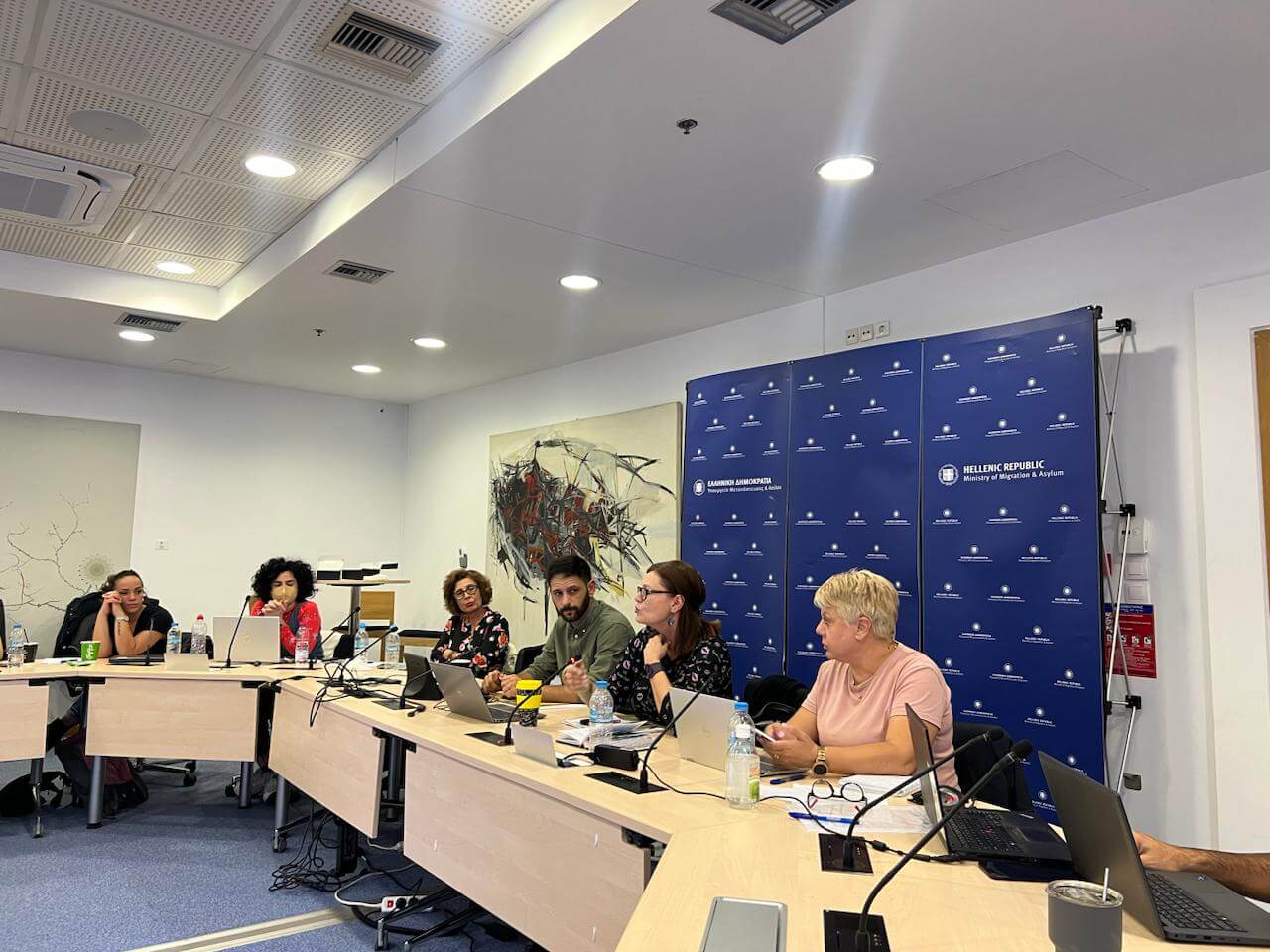
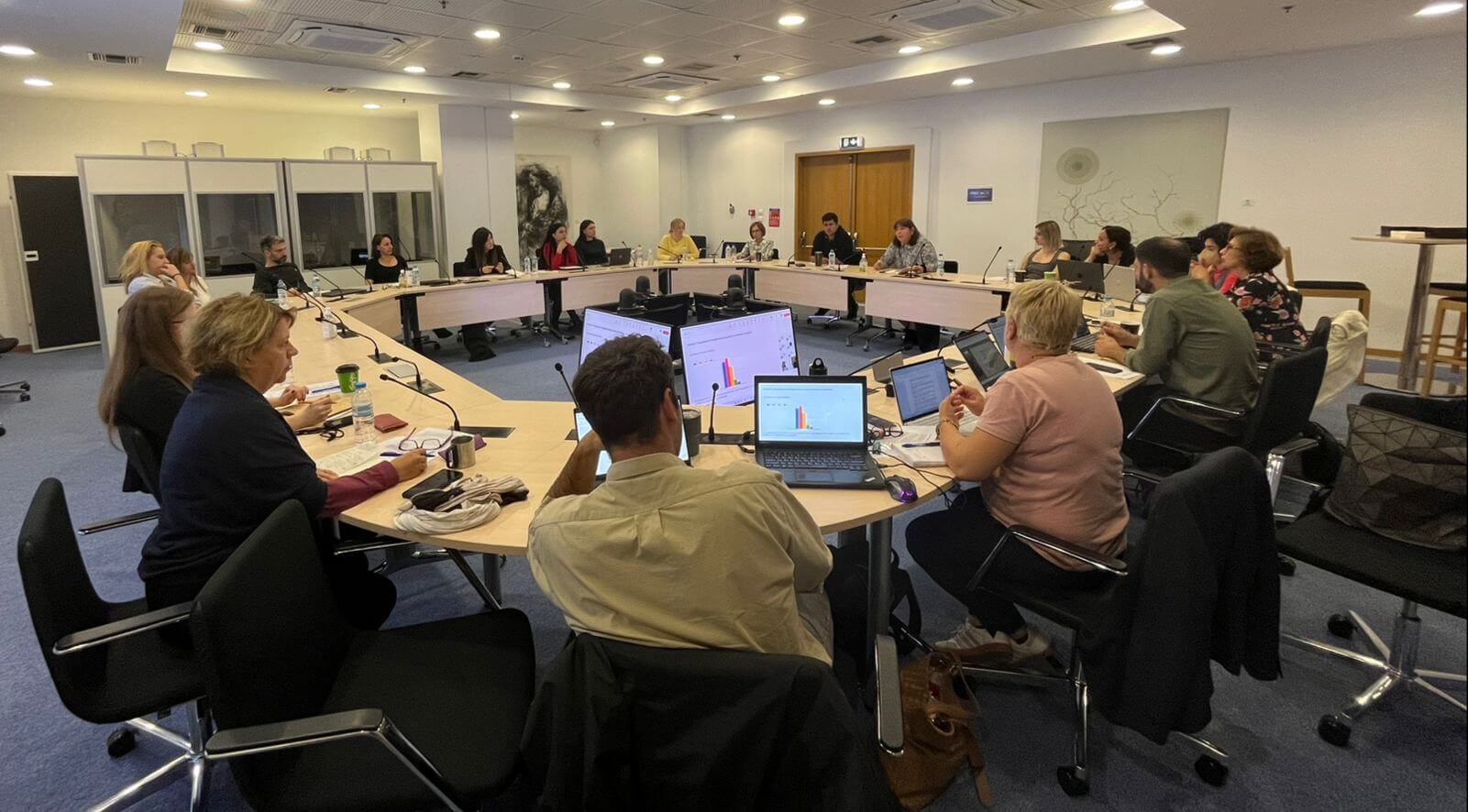
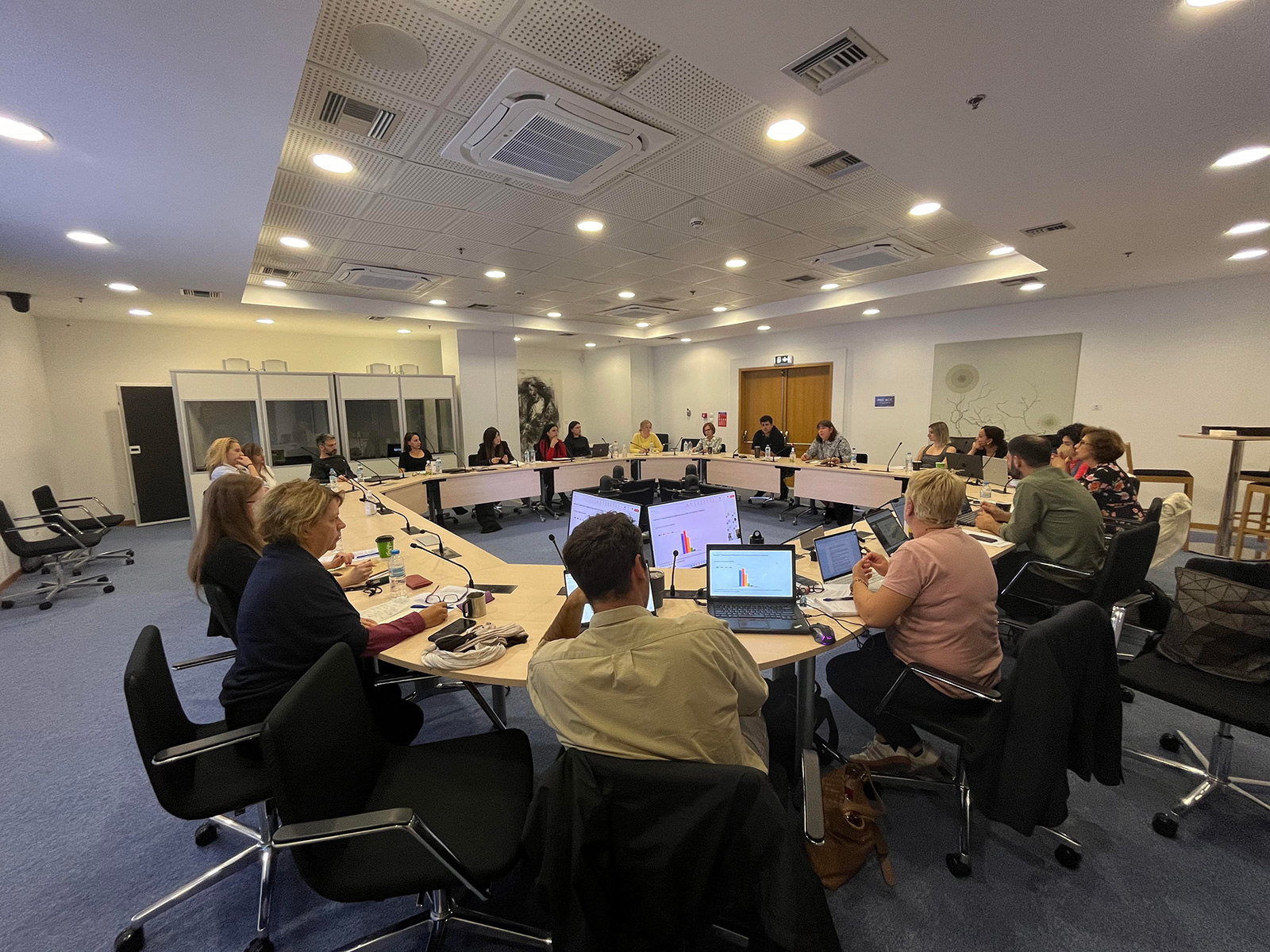
Collaboration through the Working Groups is one of the key pillars of the FORTIFY project, contributing to the implementation of delinquency prevention strategies for unaccompanied minors in Greece. This methodology enhances collective knowledge, promoting the creation of comprehensive strategies focused on specific issues and challenges in the field.
The Working Groups of the project are developed around four themes:
- Legal and Institutional Challenges in Juvenile Delinquency Prevention and Educational Needs
- Social Isolation, Peer Pressure, and Educational Needs
- Addressing Mental Health and Trauma through Education
- Risks During the Transition to Adulthood and the Role of Education and Vocational Training in Prevention
Through these groups, professionals from various fields and specialized experts, in collaboration with participants from the Juvenile Public Prosecution, the Children’s Ombudsman, the Juvenile Police Subdivision, and juvenile probation officers, analyze, exchange views, and propose solutions aimed at prevention, identification, and early intervention to avoid dangerous situations. This process promotes active participation among stakeholders and enhances the adaptation of strategies to the actual field of minors, resulting in more effective protection and strengthening of the system.
The findings from the working groups, combined with the research via a questionnaire filled out by 178 frontline professionals regarding the protection of unaccompanied minors, serve as the material and guide for drafting both the proposed standardized procedures of the project and the educational manual for delinquency prevention.
Gallery
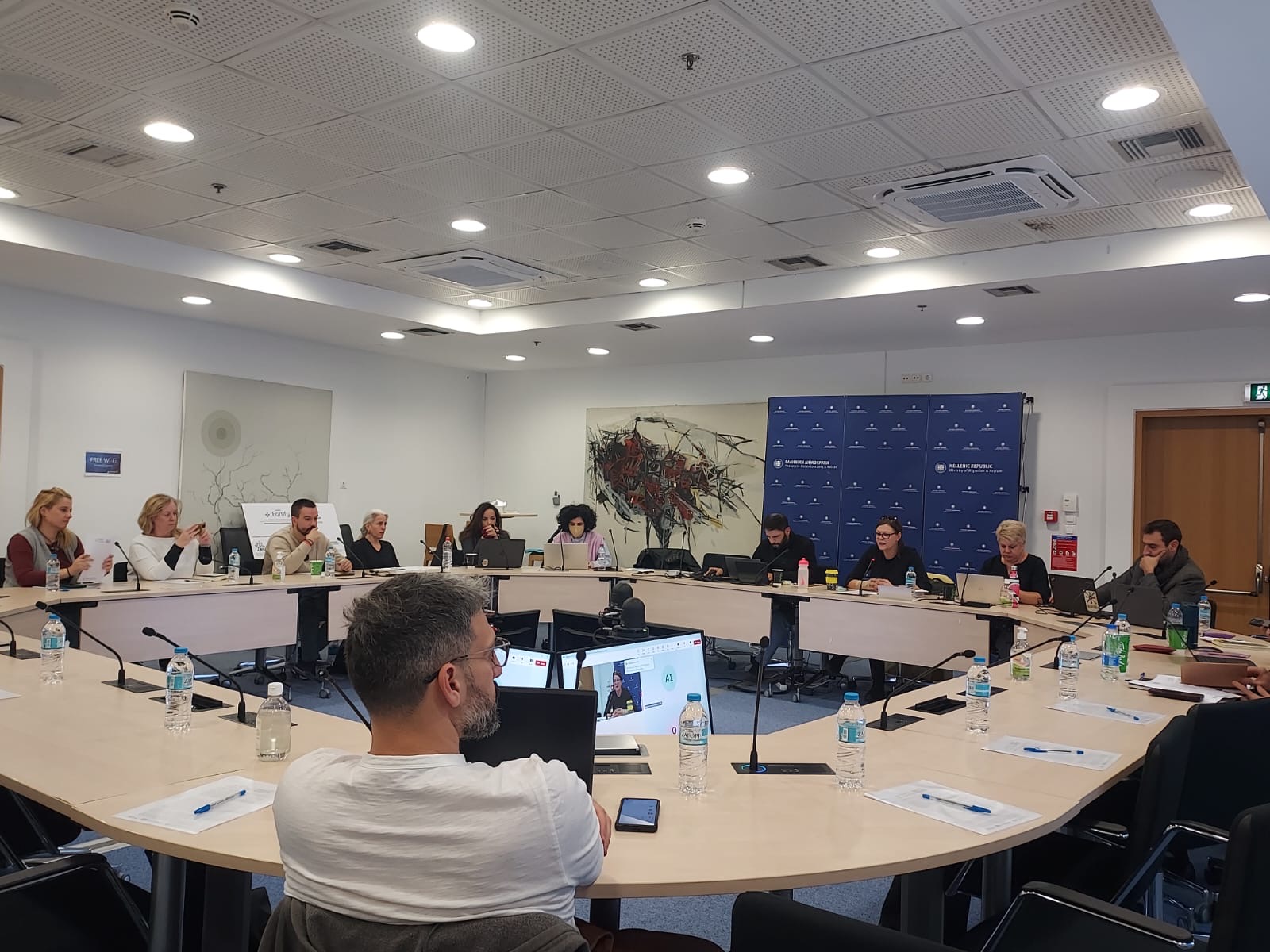
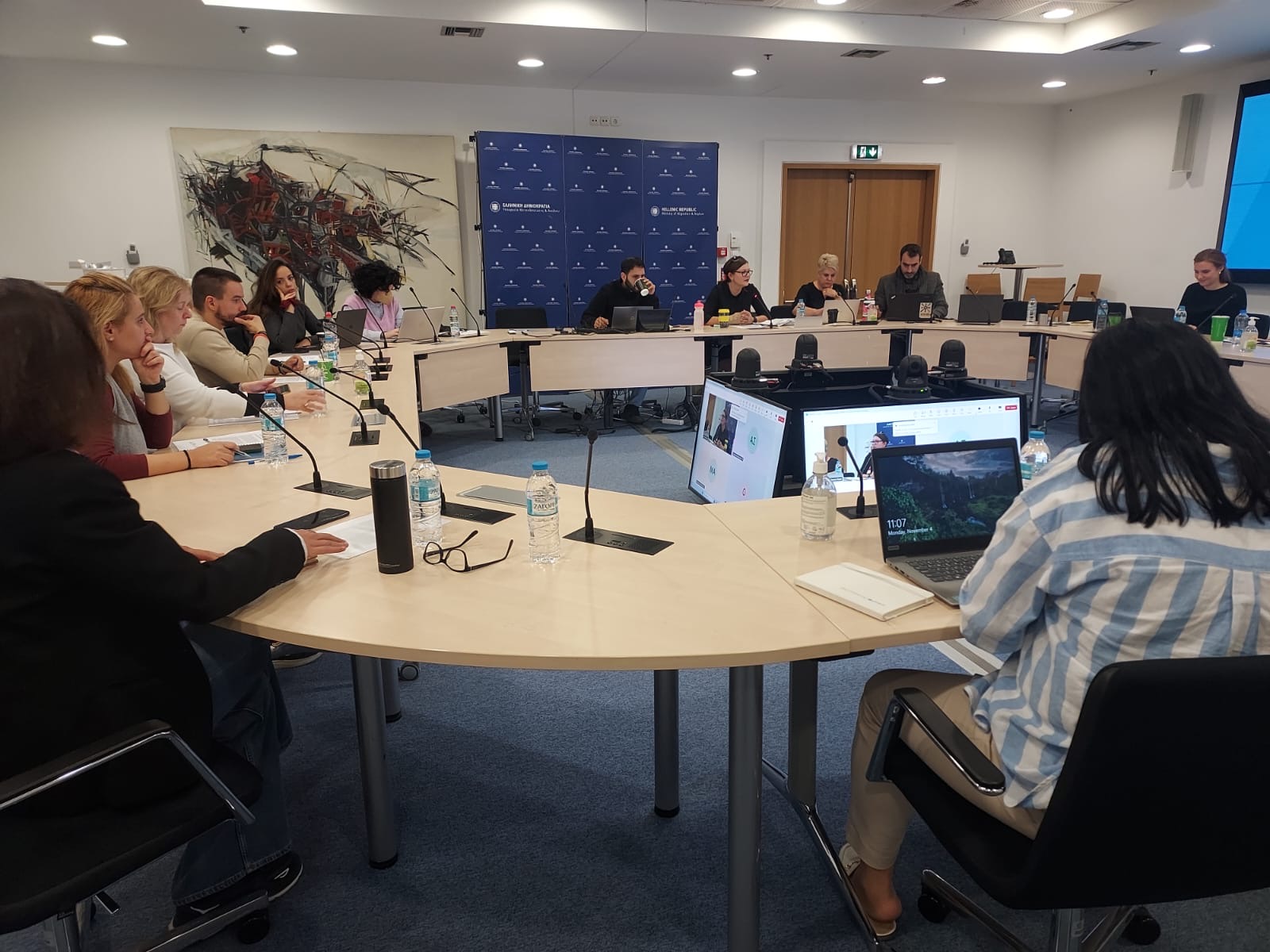
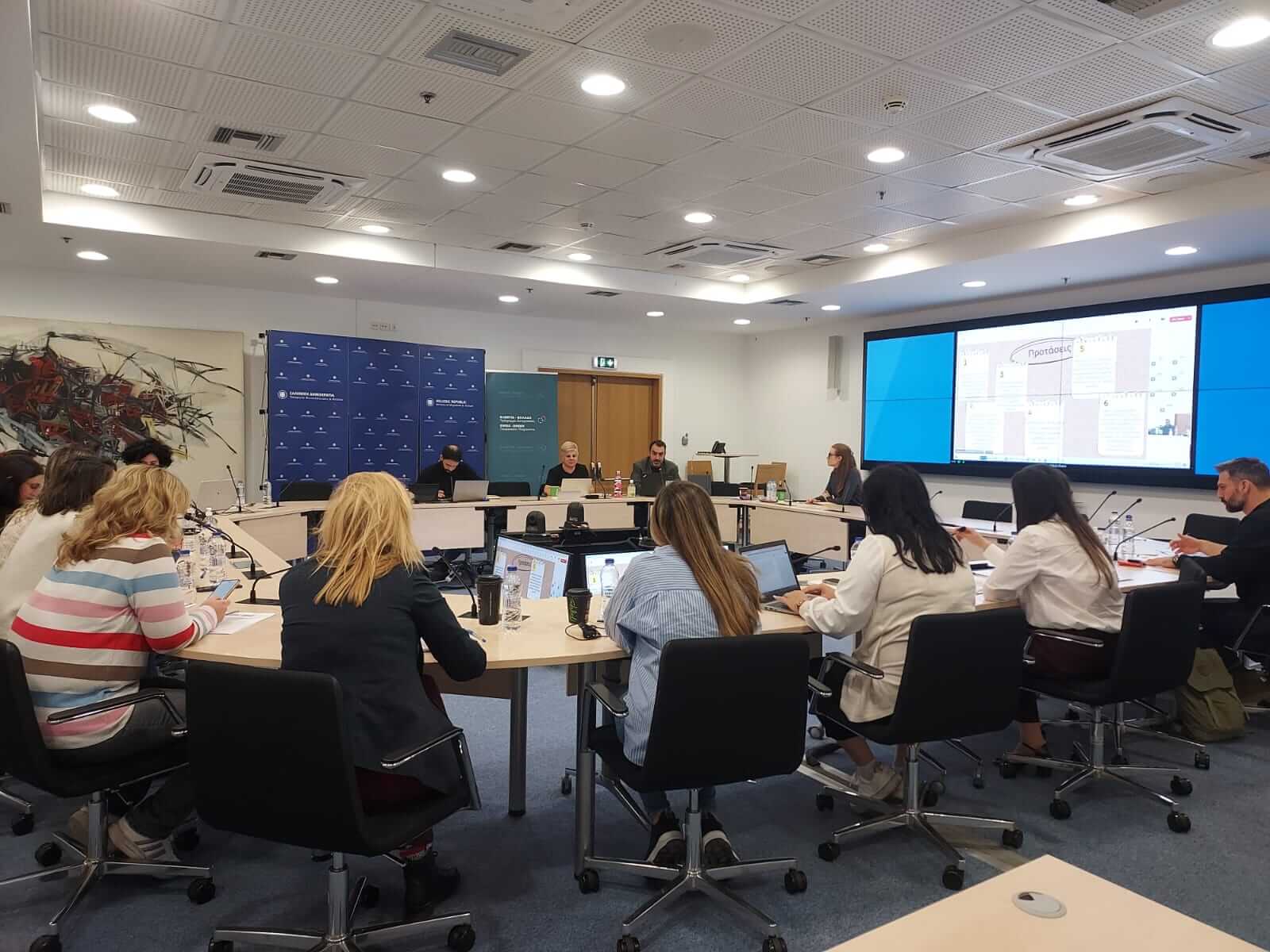
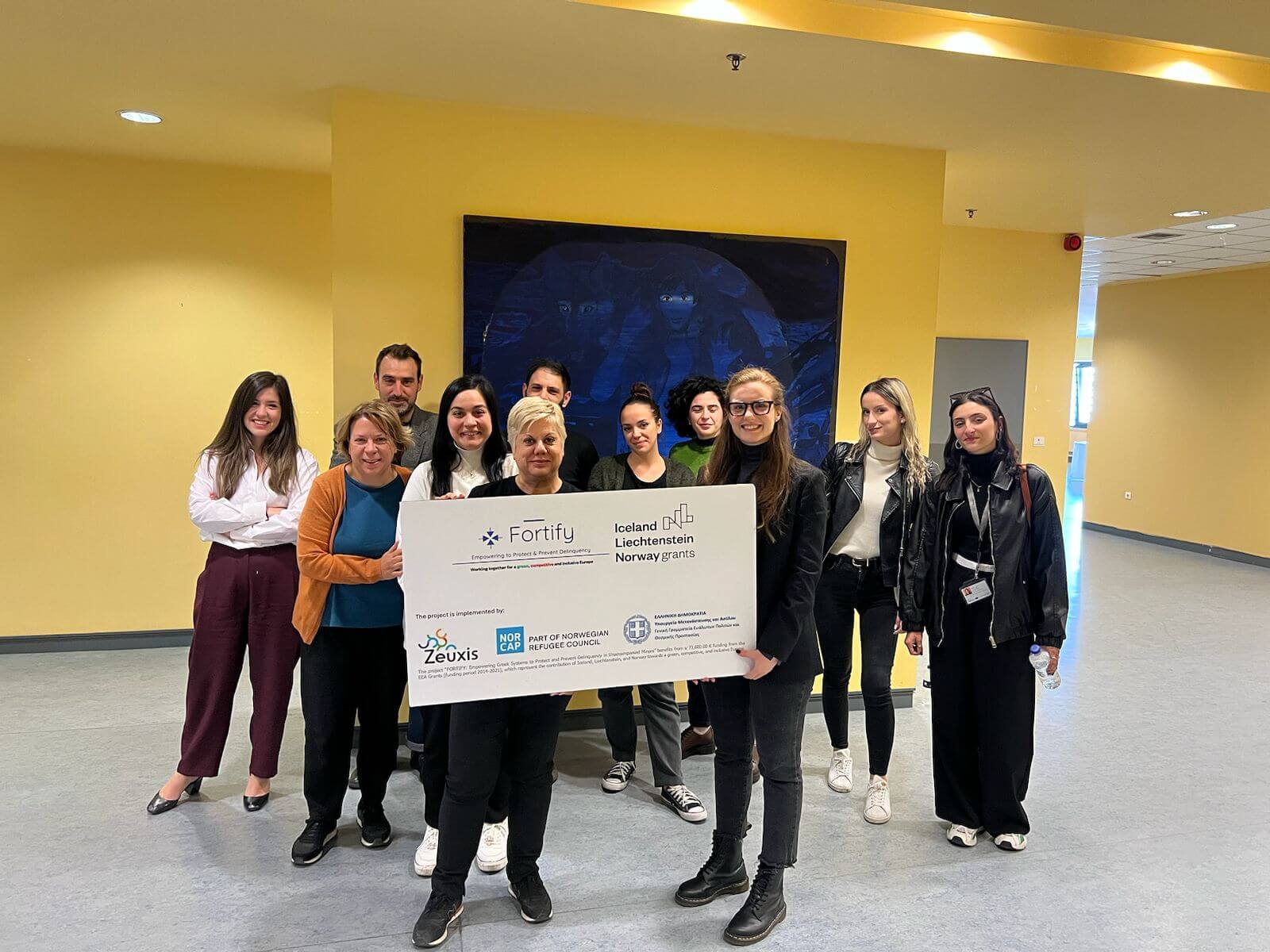
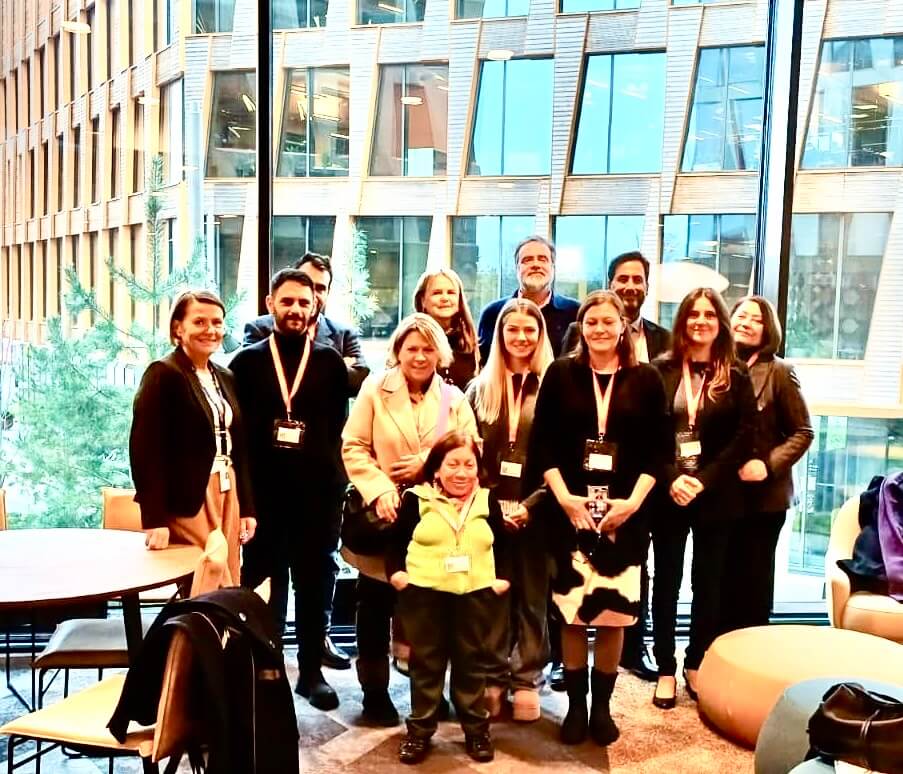
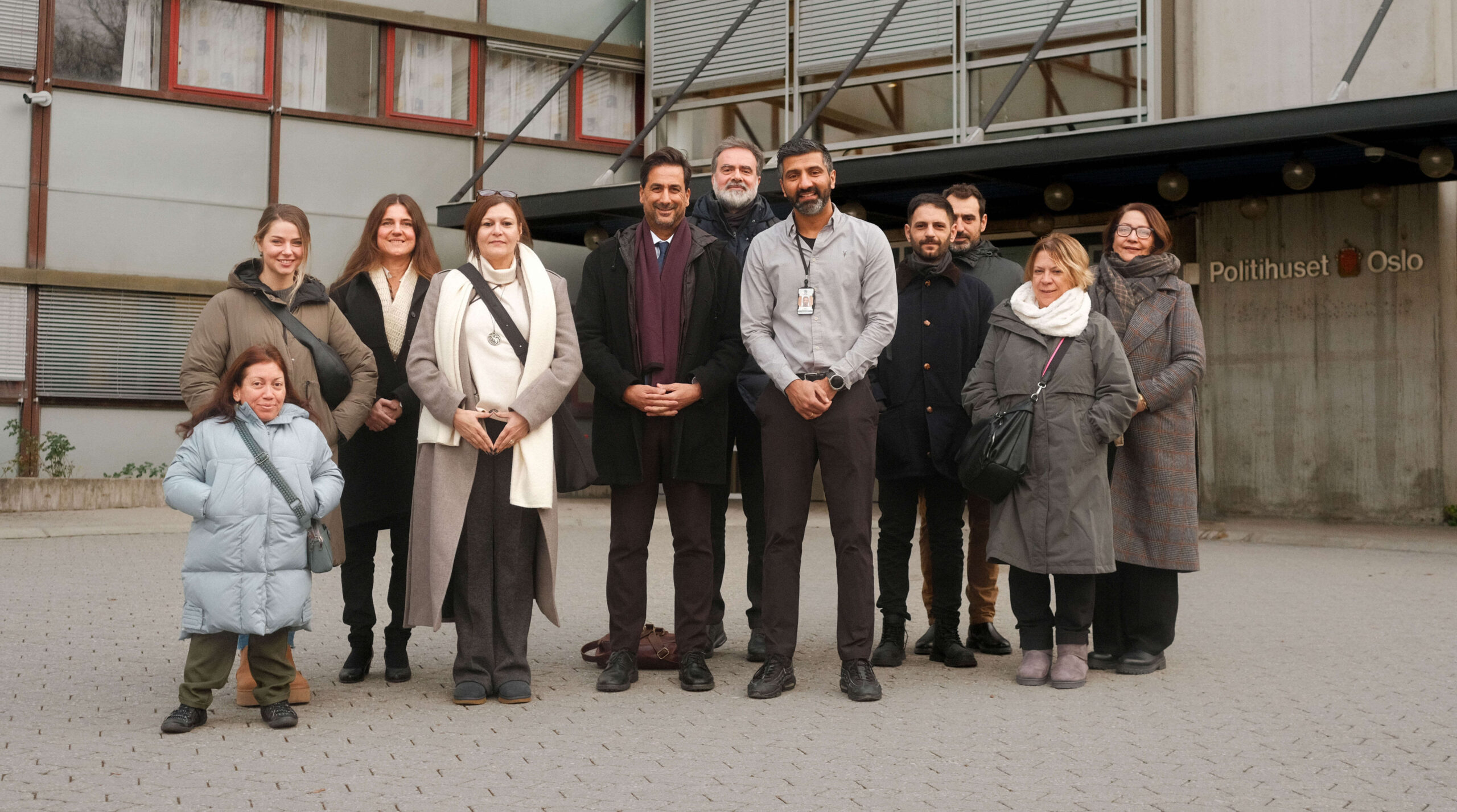
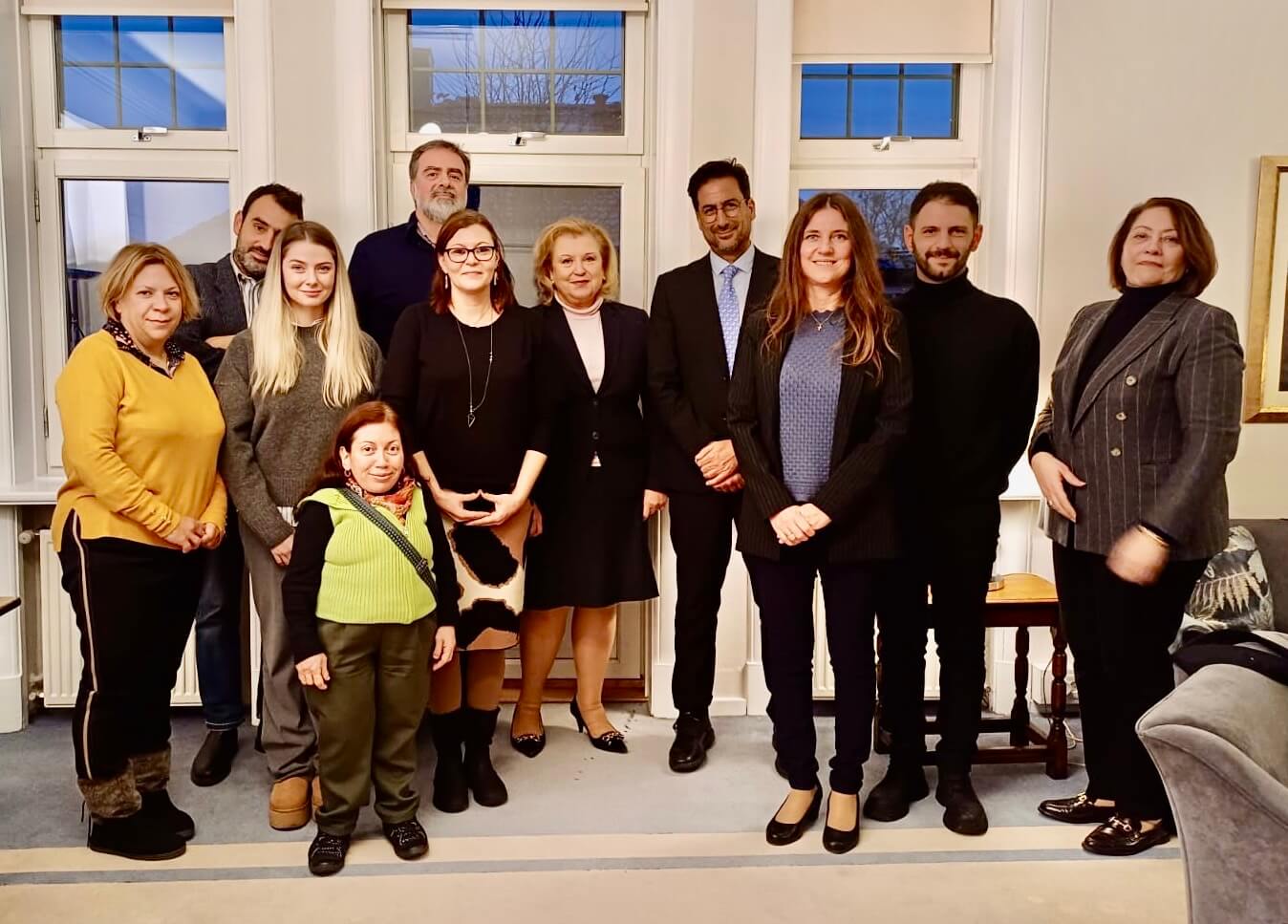
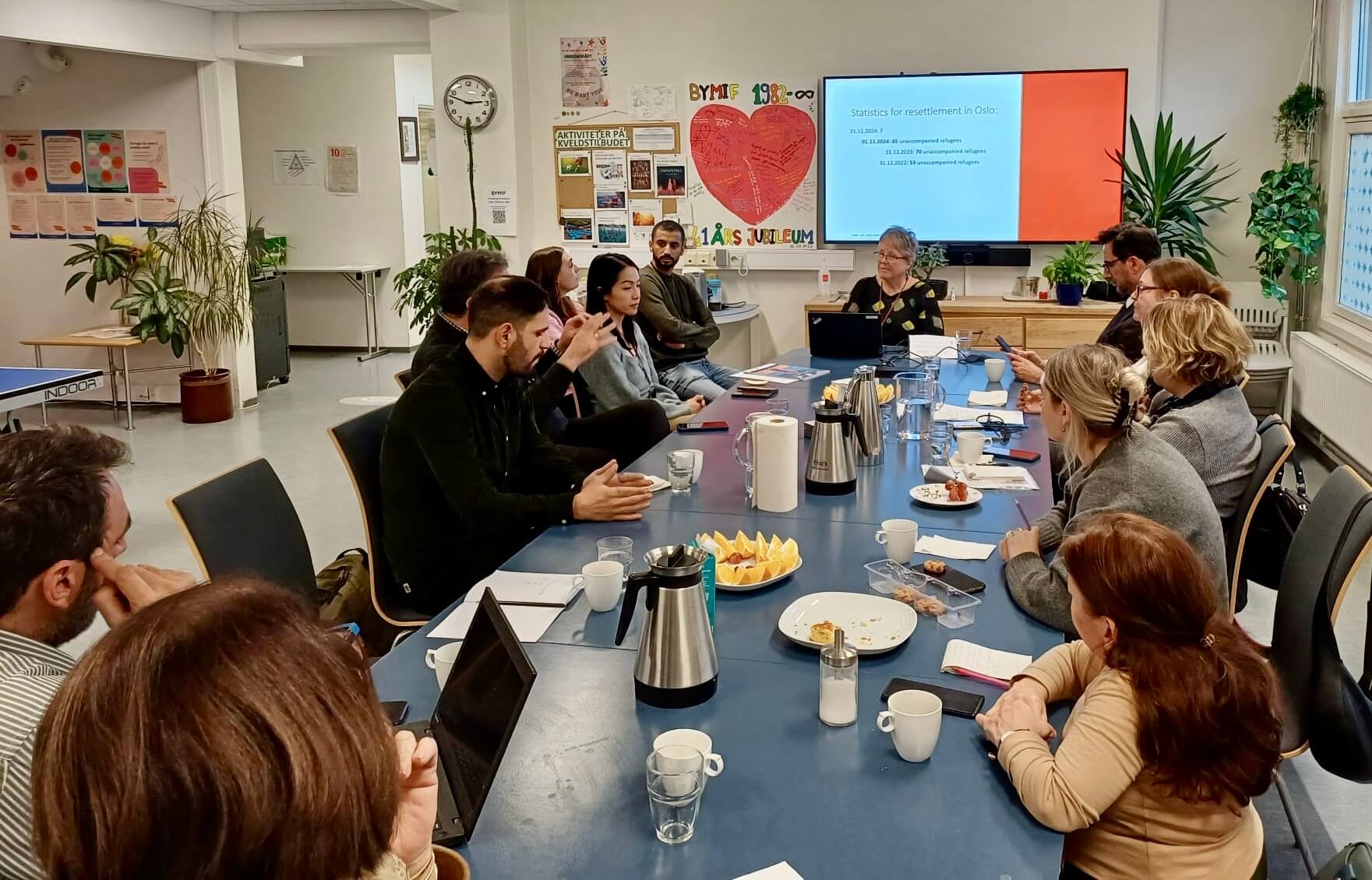
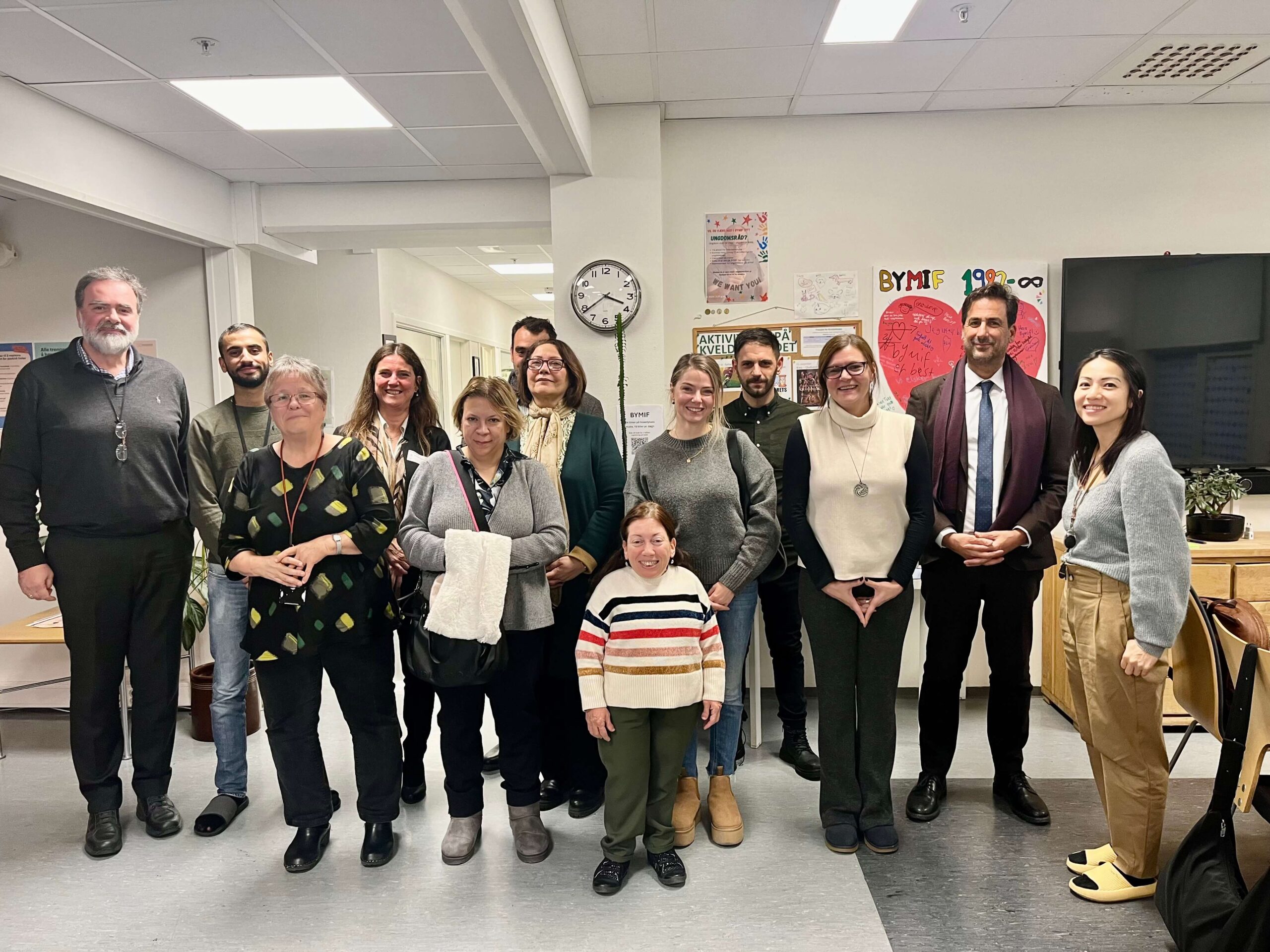
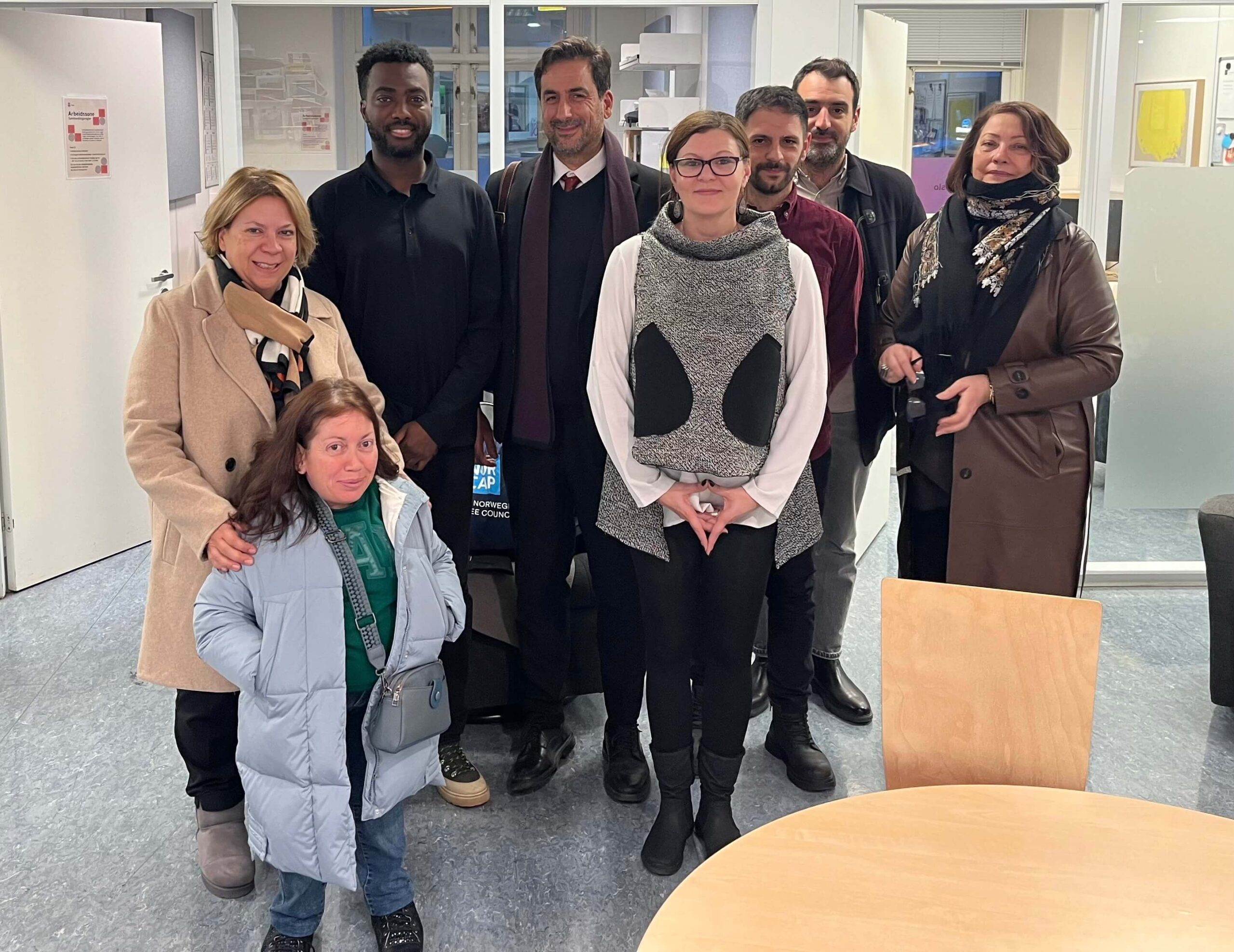
The gallery includes photos from educational activities and study visits conducted in Norway. Additionally, it showcases photos from awareness-raising activities held in Greece to inform the public about the project’s goals.
The photos capture the collaboration between Greek and Norwegian partners and the active participation of professionals in the exchange of best practices.
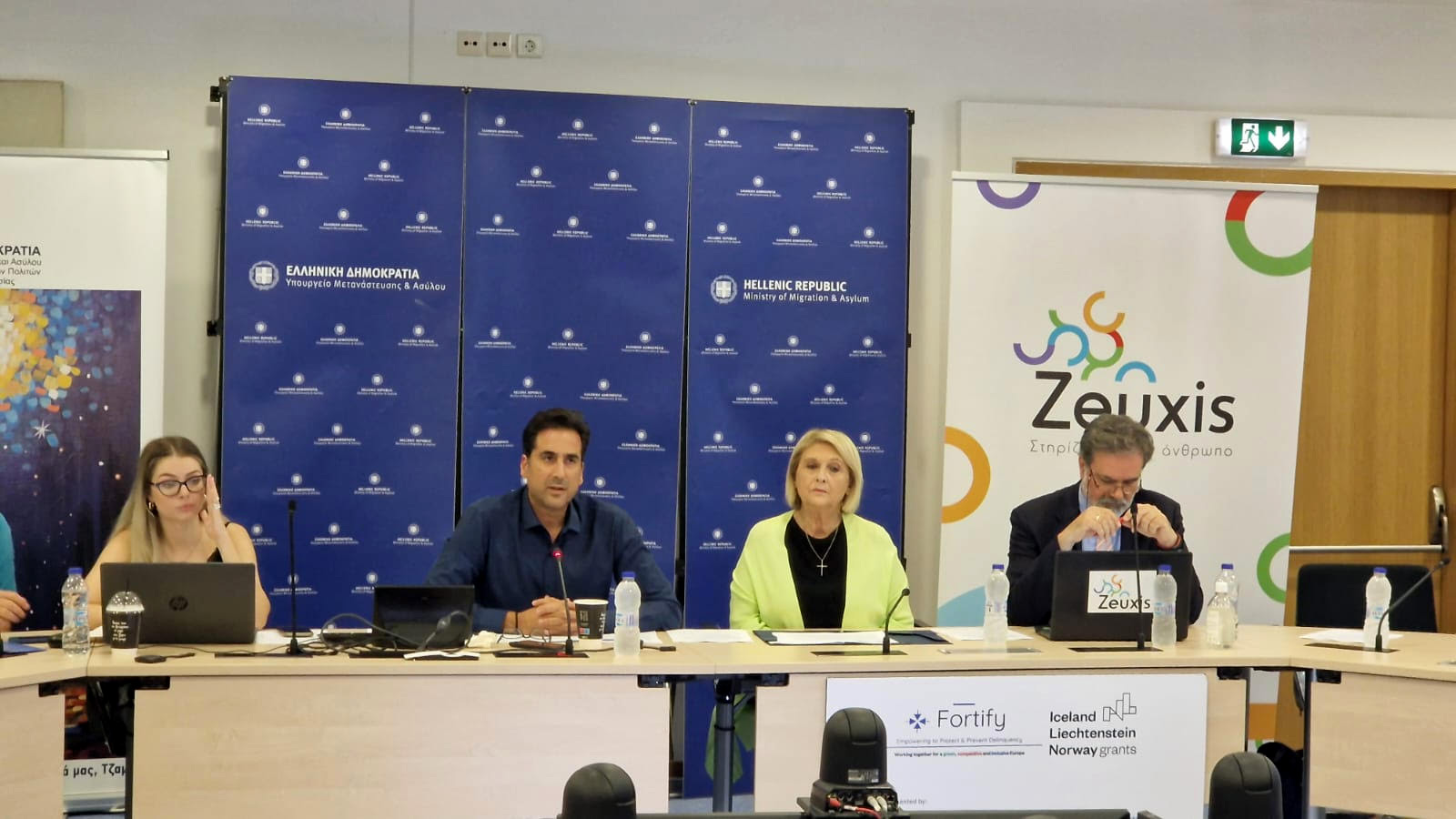
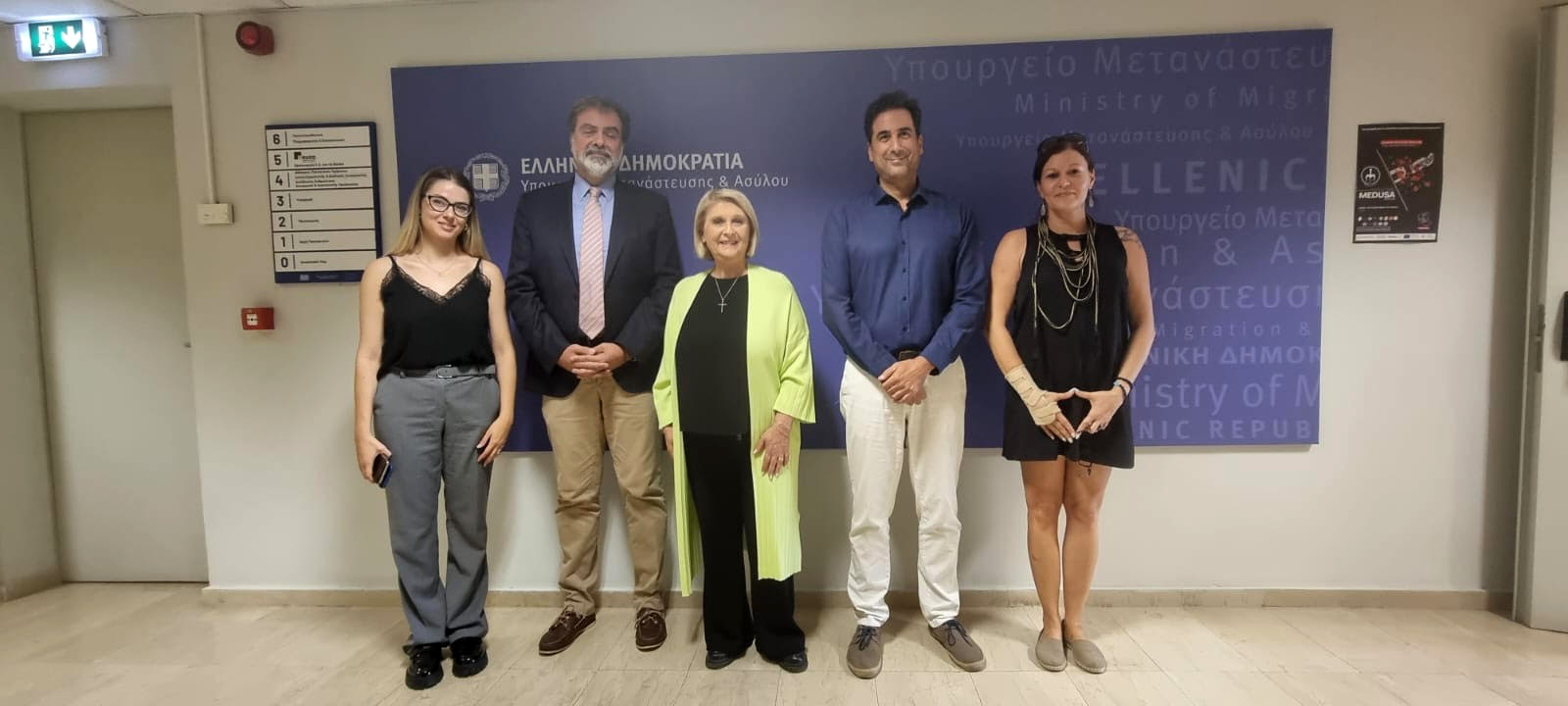
Project kick off meeting (27.09.2024)
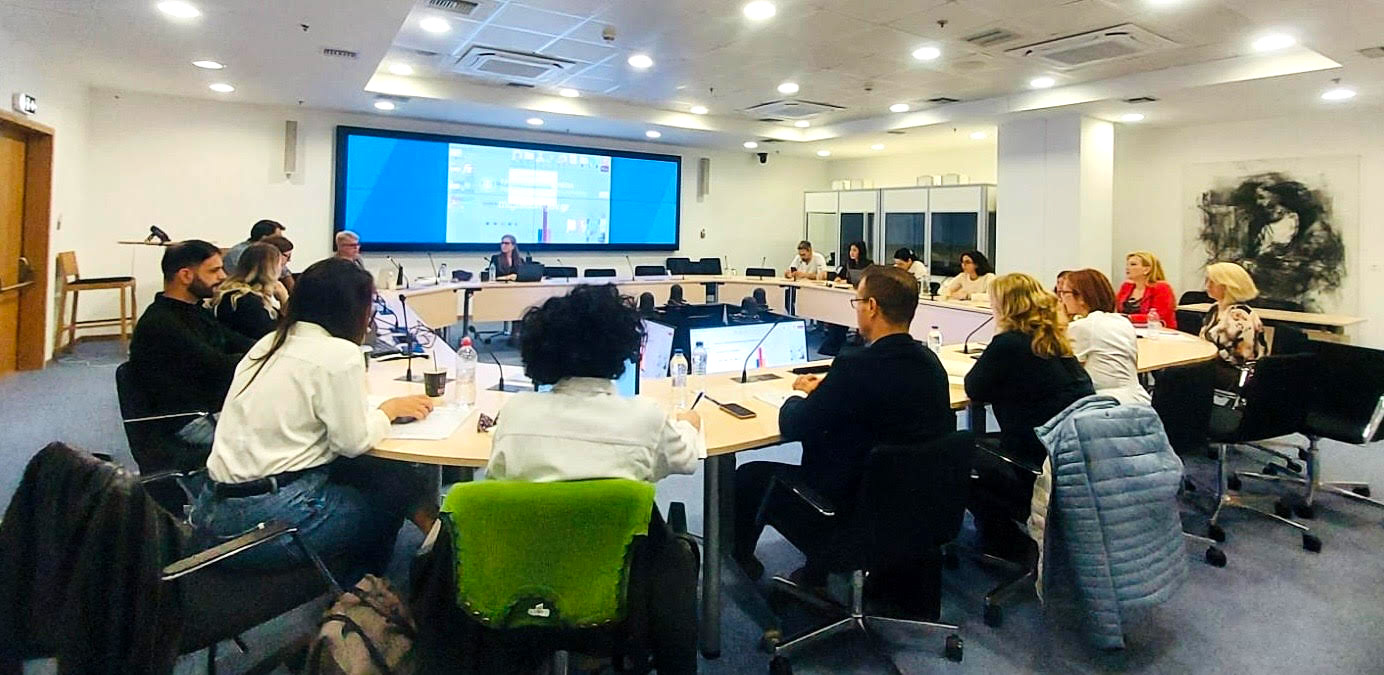
1st Working Group (18.10.2024):
Legal and Institutional Challenges in Juvenile Delinquency Prevention and Educational Needs
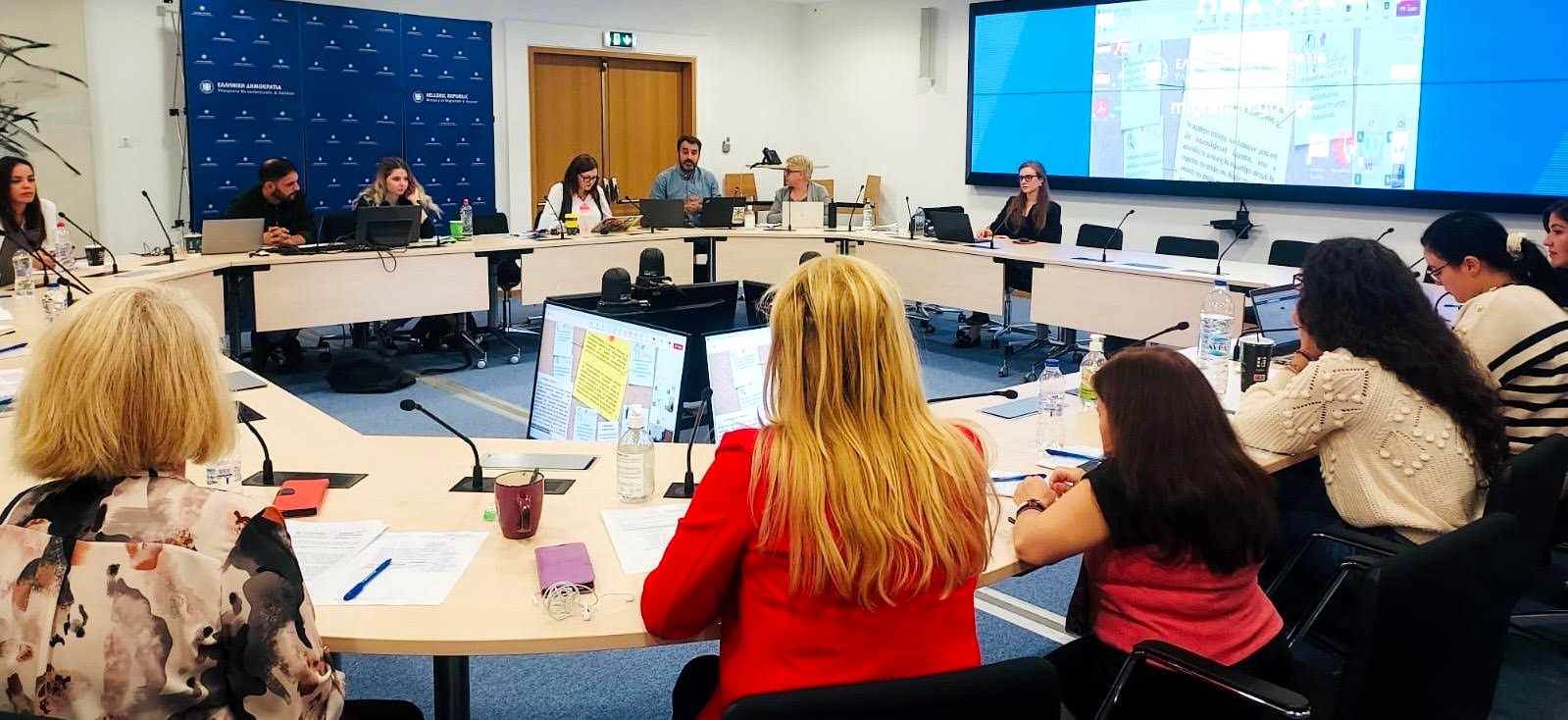
2nd Working Group (27.10.2024):
Social Isolation, Peer Pressure, and Educational Needs
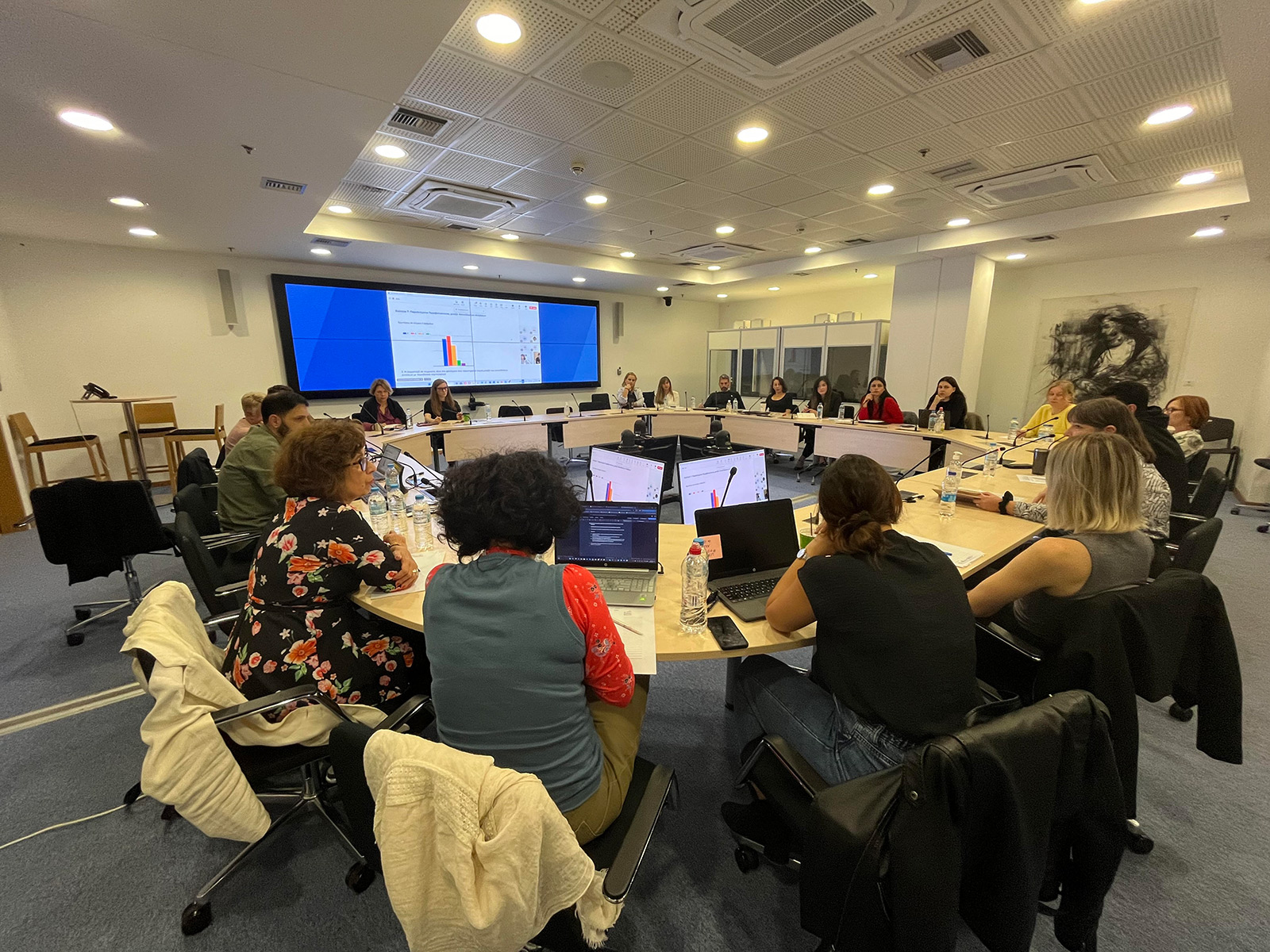
3rd Working Group (04.11.2024):
Addressing Mental Health and Trauma through Education
4th Working Group (08.11.2024):
Risks during the Transition to Adulthood and the Role of Education and Vocational Training in Prevention
Oslo Study Visit (10-14.11.2024)
Library
The project’s library will include all deliverables, such as mapping reports, training tools, and assessments, which will be available in digital format for stakeholders. Upon completion of each work package, the respective deliverables will be added to the library.
The library will serve as a reference resource for future interventions and contribute to the dissemination of the project’s results.
Funding
The project “FORTIFY: Strengthening Greek Systems for the Protection and Prevention of Delinquency in Unaccompanied Minors” with MIS 5224286, benefits from a funding amount of €73,600.00 from the EEA Grants (European Economic Area Financial Mechanism 2014-2021), which represent the contribution of Iceland, Liechtenstein, and Norway for a green, competitive Europe without exclusions.